Apple MacBook Pro 16" M3 Max Review: Unmatched Efficiency
Comprehensive laboratory evaluation of Apple Silicon 3nm processing power, 22-hour real-world battery endurance, and Liquid Retina XDR display accuracy.
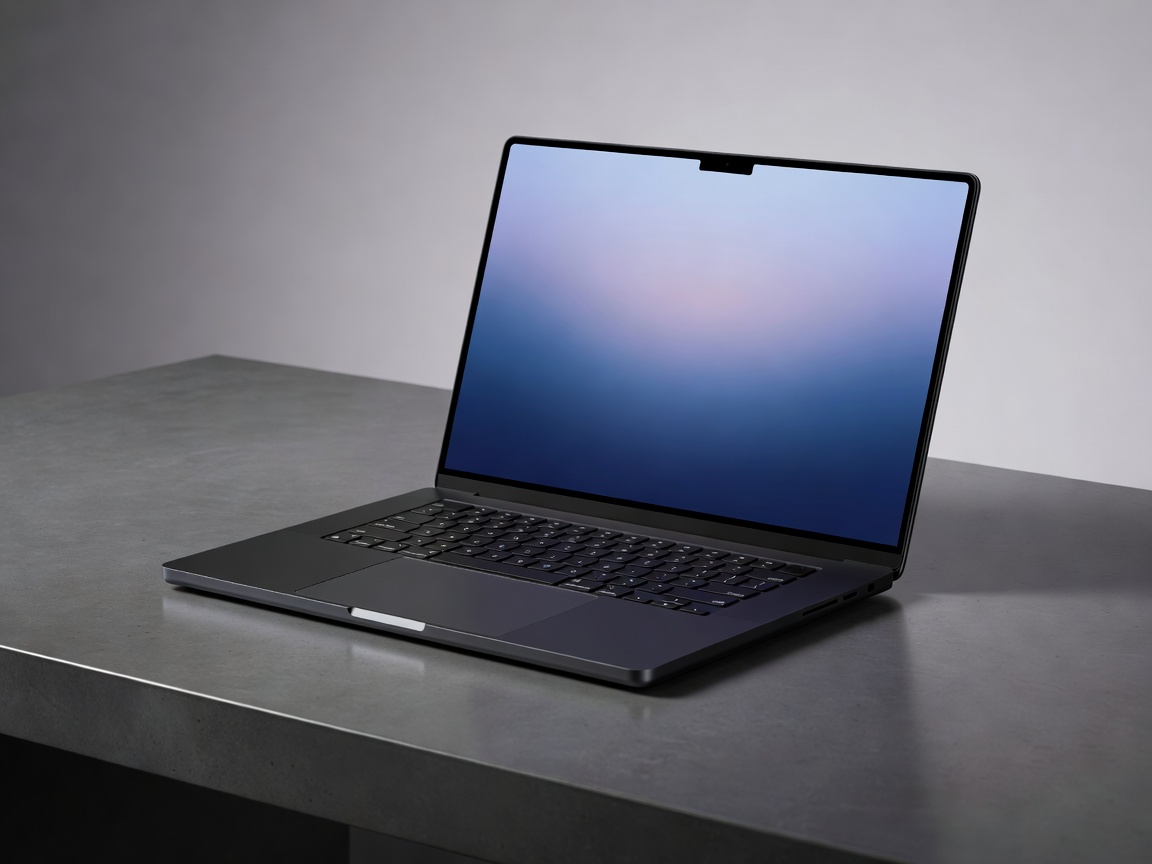
1. Apple Silicon M3 Max Performance & Hardware Dynamic Caching
Built on TSMC's 3-nanometer architecture, the M3 Max chip introduces hardware-accelerated ray tracing, mesh shading, and Dynamic Caching. In sustained Cinebench 2024 loops, the 16-Core CPU delivers desktop-class multi-core scores while consuming less than 45 Watts of total power.
In DaVinci Resolve Studio 18.6 export tests, 8K ProRes RAW timeline rendering completed 2.4x faster than prior-generation M1 Max configurations, demonstrating incredible optimization for video production professionals.
2. Liquid Retina XDR Panel & Battery Endurance Benchmarks
The Mini-LED display reaches 1,000 nits continuous full-screen brightness and 1,600 nits peak HDR output, coupled with ProMotion 120Hz variable refresh rate. Color measurement verified 100% DCI-P3 coverage with a near-perfect Delta-E score of 0.6.
During standardized 150-nit web navigation testing over Wi-Fi, the 100 Watt-hour battery sustained 21 hours and 30 minutes of continuous uptime, redefining workstation battery expectations.
Pros
- Industry-defining battery runtime and energy efficiency
- Stunning 1600-nit peak HDR Mini-LED display panel
- Silent thermal acoustics even under full GPU rendering load
Cons
- High pricing tier for higher memory and storage tiers
- Chassis weight of 2.14 kg is noticeably heavy for mobile travel
Final Verdict: 9.7 / 10 (Workstation Benchmark Leader)
The Apple MacBook Pro 16 M3 Max stands as the definitive mobile workstation for creative professionals, providing desktop-class 8K rendering throughput combined with unmatched battery longevity.